Fresh Eyes: Our Top 5 Design Inspirations for May 2026
There’s a quiet surge of energy this time of year. The days feel longer, the light warmer, and everything around feels more alive. Our inspiration is leaning towards work that feels vibrant, clear, and intentional—a balance between playfulness and structure. These are the five elements currently shaping our mood board:
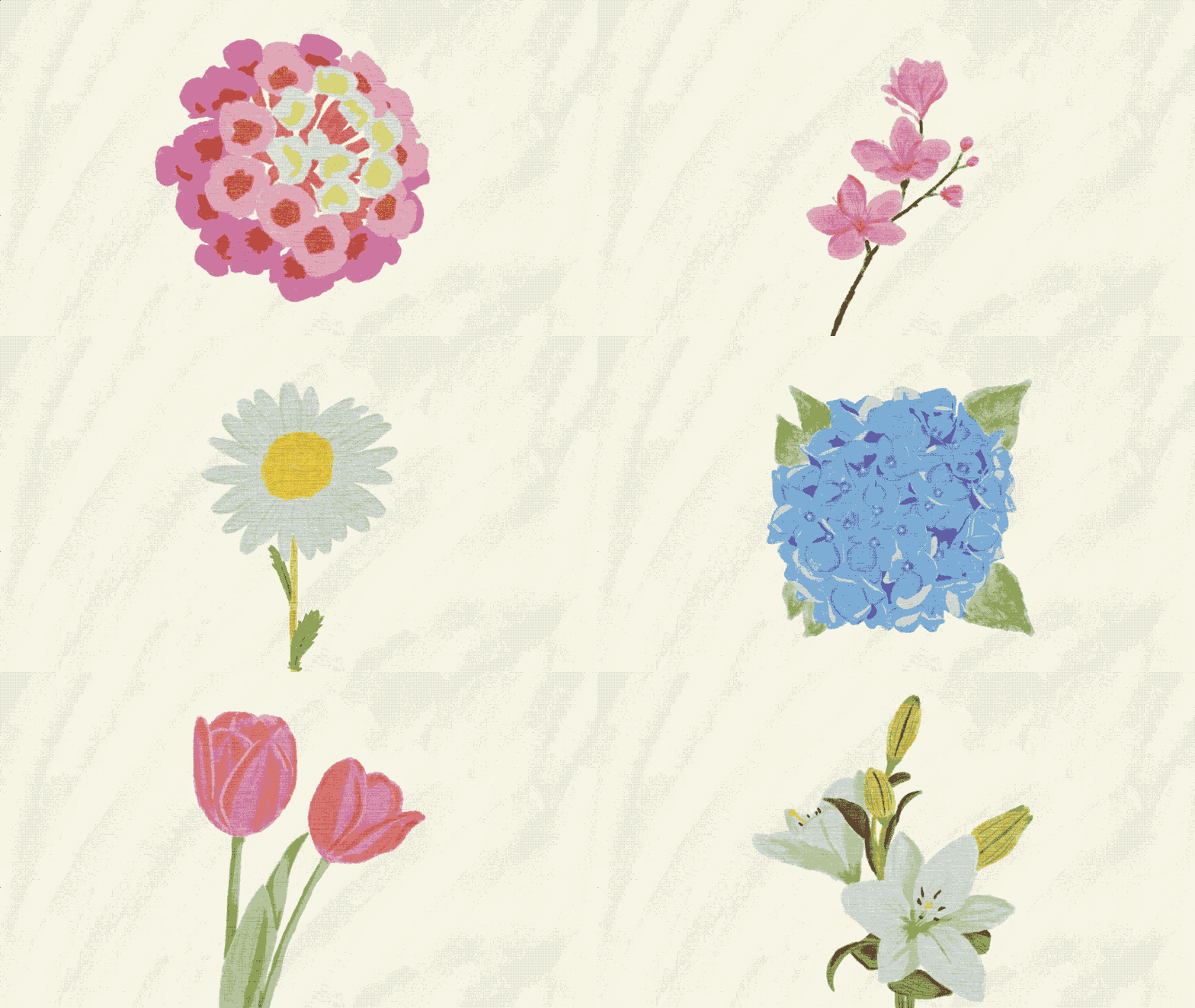
1. Flowers
Not just soft and delicate—but bold, layered, and full of life.
They inspire rich color palettes, natural flow, and depth that feels effortless yet expressive.
Their organic forms also offer endless variation, making them ideal for exploring contrast and composition.
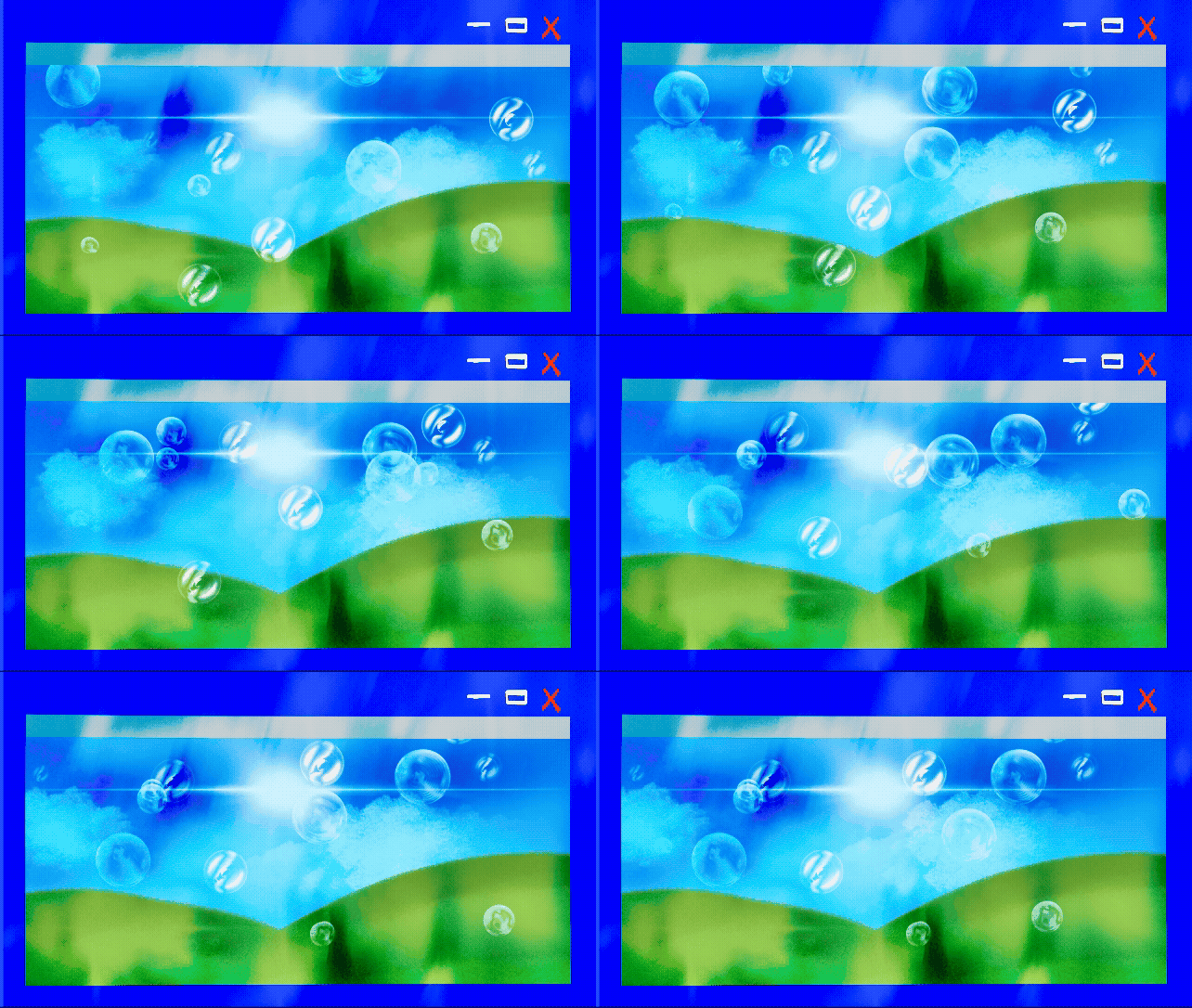
2. Neo Frutiger Aero
Inspired by interfaces like Windows Vista and Mac OS X Aqua, this style blends glossy textures, airy gradients, and futuristic nature visuals.
It feels bright, optimistic, and refreshingly clean.
The combination of technology and nature creates a distinct visual language that feels both nostalgic and forward-looking.
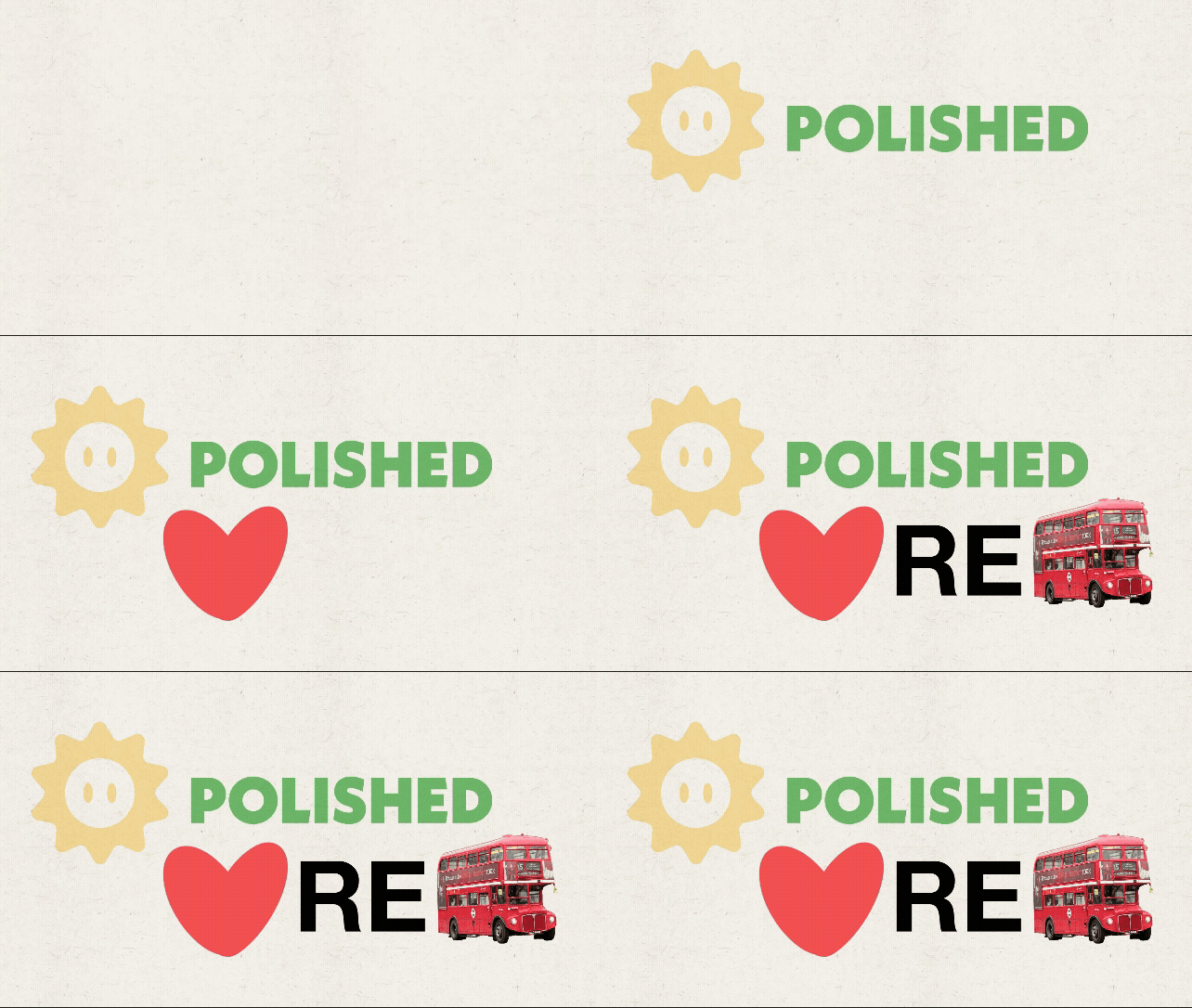
3. Rebus Design
Simple, clever, and engaging.
It communicates ideas with minimal elements—making designs feel light, sharp, and memorable.
This approach encourages visual problem-solving, where meaning is built through symbols rather than excess detail.
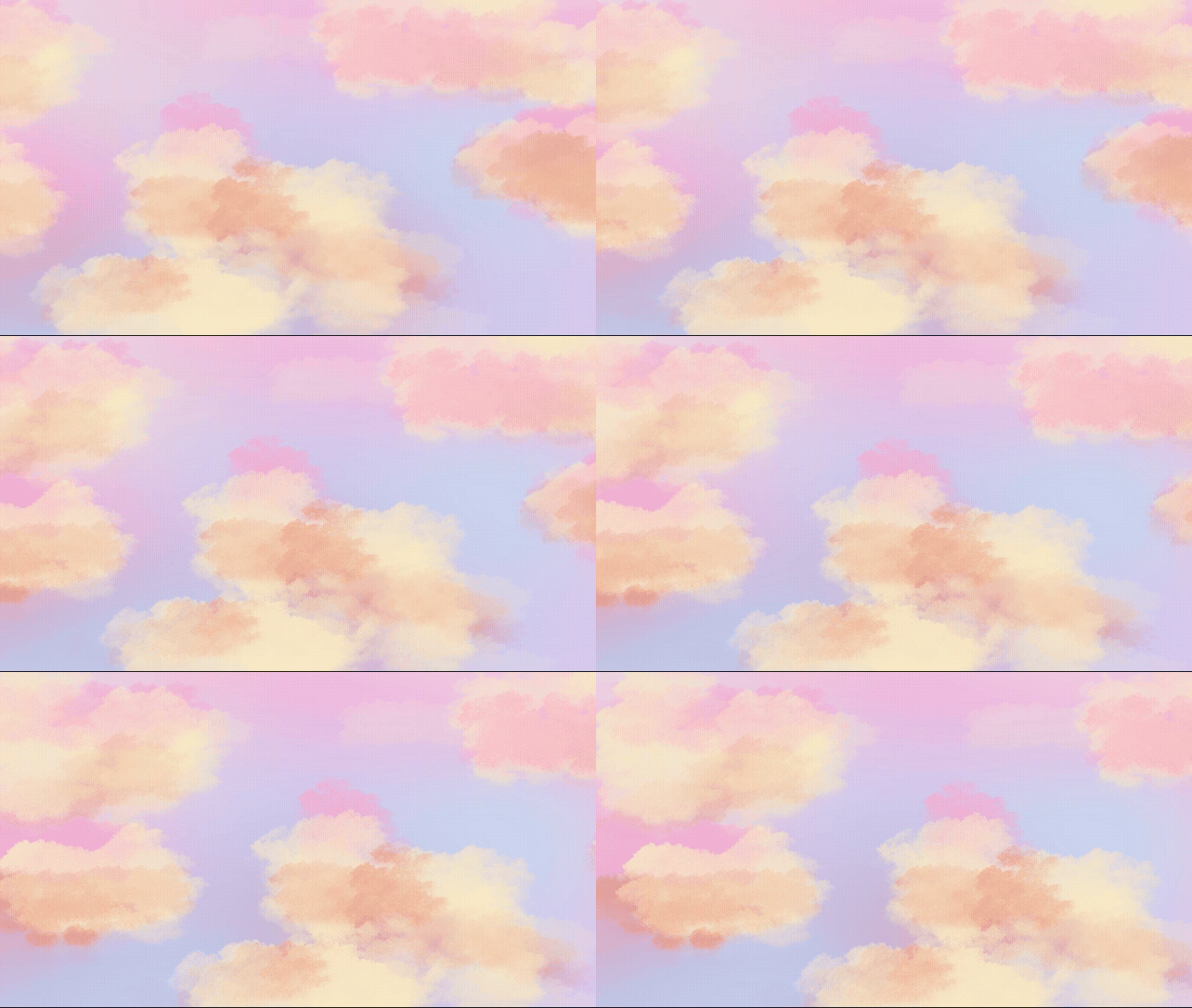
4. Clouds
Soft during the day, golden by evening.
They inspire airy compositions, smooth gradients, and a sense of openness that feels calm yet expansive.
Their shifting forms and colors provide a natural reference for creating dynamic yet soothing visuals.
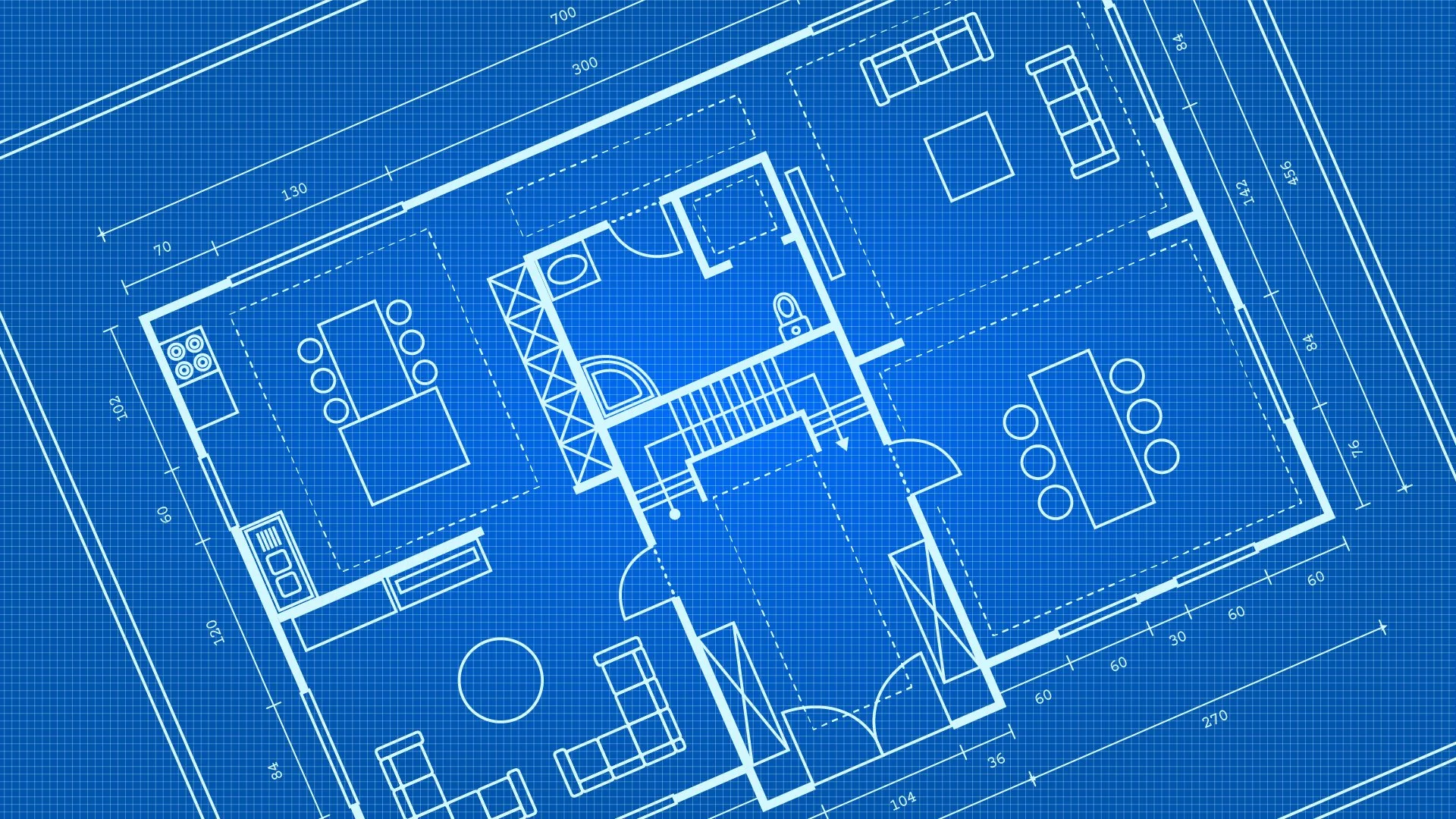
5. Blueprint Design
Structured, precise, and intentional. Blueprint design is always appealing because of its contrast: it’s minimalistic yet packed with detail. We love the technical, almost transparent layers and the clean, precise lines. The aesthetic also reflects process and planning, making it a powerful metaphor for building ideas into reality.